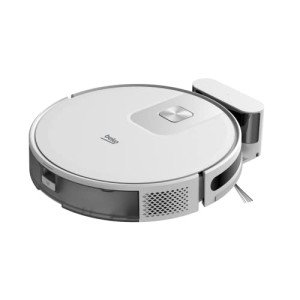
An Robotic Vacuum Cleaner Success Story You'll Never Remember
Robotic Vacuum Cleaner Commercial: Revolutionizing Home Cleaning
In current years, robotic vacuum have become a cutting-edge innovation in home cleaning innovation. With their automated functions and intelligent navigation systems, these gadgets have transformed the way individuals keep cleanliness in their home. This short article aims to explore the functionalities, advantages, and future of robotic vacuum, showcasing their role in modern homes.
Summary of Robotic Vacuum Cleaners
Robotic vacuum cleaners are self-governing devices created to perform cleaning tasks without requiring manual intervention. Using advanced sensors, artificial intelligence, and a host of other technologies, these devices can browse throughout a home, getting dirt, dust, and particles from various surface areas while preventing challenges.
Key Features of Robotic Vacuum Cleaners
Robotic vacuum come equipped with a selection of functions that enhance their functionality:
Feature
Description
Navigation Systems
Use various technologies like laser mapping and electronic cameras to browse efficiently
Automatic Charging
Go back to docking stations to charge when battery levels are low
Scheduling
Users can set cleaning schedules for particular times and days
Smart Home Integration
Connect with other smart devices for improved functionality
Multiple Cleaning Modes
Adapt cleaning styles based upon the type of surface being cleaned up
App Control
Permit users to handle settings, receive notices, and start/stop cleaning from another location
Benefits of Robotic Vacuum Cleaners
Time-Saving: With robotic vacuums, users can designate their time to other important tasks while the gadget manages the cleaning. Automatic Vacuum is a major selling point for hectic households.
Consistent Cleaning: Robotic vacuum can carry out everyday cleaning tasks, guaranteeing that dirt and dust do not build up, leading to a healthier indoor environment.
Energy Efficiency: Most robotic vacuums promote energy efficiency, frequently using less power than standard vacuum, thus reducing electricity bills.
Smart Technology: With features like real-time mapping, users can keep track of the cleaning procedure. Some advanced designs even offer information on cleansings, such as areas covered and the quantity of dirt recorded.
Accessibility: Robotic vacuums are particularly advantageous for the elderly or individuals with mobility concerns, streamlining the cleaning process without the requirement for physical effort.
Drawbacks of Robotic Vacuum Cleaners
In spite of their numerous benefits, robotic vacuum likewise have limitations:
- Limited Suction Power: While they work for day-to-day maintenance, they might not be as powerful as standard vacuums for deep cleaning.
- Obstacle Navigation: Some robotic designs may have a hard time with complex layouts, stairs, or high-pile carpets.
- Battery Life: Most robotic vacuums come with restricted battery life, indicating bigger homes may require multiple charging cycles to cover all locations.
- Cost: High-quality designs can be pricey compared to standard vacuum cleaners.
Picking the Right Robotic Vacuum Cleaner
With different options available in the market, picking the right robotic vacuum cleaner can be a difficult job. Here are some factors to consider:
- Home Size: Larger homes may require designs with longer battery life and bigger dust bins.
- Surface area Types: Consider a model that works well on specific surfaces in your home, such as wood, carpet, or tiles.
- Smart Features: Evaluate the level of smart integration if you choose remote operation and monitoring by means of a smart device app.
- Brand name Reputation: Opt for reputable brand names known for reliable items and good consumer service.
Recommended Robotic Vacuum Cleaners
Brand name
Model
Secret Features
Price Range
iRobot
Roomba s9+
Advanced mapping, powerful suction
₤ 949-₤ 1,099
Roborock
Roborock S7
Sonic mopping, customizable cleaning courses
₤ 649-₤ 749
Eufy
RoboVac 30C
Affordable, strong suction, app control
₤ 250-₤ 300
Neato
D7 Connected
Unique D-shape style, zone cleaning software
₤ 599-₤ 700
Shark
IQ Robot
Self-emptying base, smart mapping
₤ 599-₤ 699
Future of Robotic Vacuum Cleaners
As technology advances, the future of robotic vacuum looks appealing. The integration of AI and maker knowing systems is expected to boost navigation abilities. Emerging trends include:
- Enhanced Interaction: Future models might feature integrated voice assistants, allowing users to issue cleaning commands through voice.
- Enhanced Sensors: Enhanced sensors could lead to much better barrier acknowledgment, allowing the vacuum to work more effectively in cluttered areas.
- Multi-Functionality: Future robotic vacuums might deal with additional tasks, such as mopping or window cleaning, combining several cleaning jobs into one device.
Frequently Asked Questions About Robotic Vacuum Cleaners
1. How much do robotic vacuum cleaners typically cost?
The price can differ extensively, ranging from ₤ 200 to over ₤ 1,000, depending on functions and brand name.
2. Can robotic vacuum clean carpets effectively?
Yes, numerous modern-day robotic vacuum cleaners are developed with effective suction systems that can clean up numerous carpet types.
3. Do robotic vacuum cleaners require much maintenance?
Upkeep is fairly low; however, users need to frequently clean the filters, empty dust bins, and sometimes check the brushes for clogs.
4. The length of time does a robotic vacuum cleaner run on a single charge?
Many robotic vacuums can run for about 60 to 120 minutes, depending on the design and cleaning conditions.
5. Can I arrange my robotic vacuum to clean up when I'm not home?
Yes, a lot of robotic vacuum cleaners feature scheduling functions that permit users to set specific times for cleaning.
Robotic vacuum are not just gizmos; they represent a substantial development in home cleaning technology. By making cleaning tasks simpler and more effective, they enable users to delight in a cleaner living environment with very little effort. As innovation progresses, it is likely that these devices will become even more sophisticated, leading the way for a smarter, clutter-free future.